The 3 Phases of Healing Grief in a Healthy and Holistic Way
Losing someone we love can feel like being torn apart from the inside. The shock that paralyzes. The deep pain that won’t let go. The despair that suffocates you at night. But is there a path through grief that doesn’t lead to endless suffering? A path that can actually make us stronger, wiser, and more whole?
In this article, I share how my wife Maria and I processed the shock and grief after losing our son Wotan. He died four months ago.
Four months. It feels like an eternity. And at the same time, like it happened yesterday.
Some days I wake up and forget for a moment. Then it comes back. Like a wave washing over me. But the waves aren’t as high as they once were. They don’t come as often. And I’ve learned to swim in them.
I’m deeply grateful for our extensive training in holistic medicine, shamanism, and psychology. It gave us tools we could use on ourselves when our world collapsed around us. Without these tools, I don’t know where we would be today.
But when my father died many years earlier, I had no idea such tools existed. I didn’t know it was possible to process grief in a way that didn’t involve years of suffering.
Let me tell you my story. Perhaps you’ll recognize yourself in it.
My Father’s Death
I was a true daddy’s boy. From the time I was small, I hung around my father’s legs as often as I could. I remember his smell. The smell of forestry work, of sweat after a long ski trip, of his old leather jacket.
He was one of those rare people I’ve met who never said a harsh word about anyone. Never. Not once can I remember him speaking disparagingly about another person. In a world full of gossip and backbiting, he was like a quiet island of kindness.
He was always there for me—with help, care, and rides to all my sports activities. Track and field, biathlon, orienteering. He showed up. Every time. Without complaint. With a smile.
I took it for granted. As children do. I thought he would always be there.

In November 1996, he was found unconscious in the forest. He was out walking the dog, as he usually did. A completely ordinary day that ended with our entire lives being turned upside down.
The doctors discovered that several blood vessels leading in and out of his heart were blocked. The only thing that could save him was bypass surgery.
We breathed a sigh of relief when the doctors said the operation was successful. But the relief didn’t last long.
A complication arose. His brain was without oxygen for more than three minutes.
Three minutes. It doesn’t sound like much. But for the brain, it’s an eternity. Brain cells die. Memories disappear. Personality changes.
When he woke up, we could see something was wrong. His gaze was different. Confused. Foreign.
The next twelve months—until he died on December 23, 1997—became a true emotional nightmare for me. A nightmare I didn’t know how to wake up from.
To watch a person you love so deeply gradually wither away. From being a fit athlete to becoming an emaciated, aggressive, screaming person who doesn’t know who you are when you come to visit.
I remember the first time he didn’t recognize me. I came into his room at the nursing home. He looked at me with empty eyes and asked who I was.
Something broke inside me that day. A part of me that was never quite whole again.
It knocked me completely off balance.
I became more and more like a trembling leaf. It became normal for me to dread visiting. Every time I approached the nursing home, I felt a cold knot in my stomach. My hands sweated on the steering wheel. I had to force myself out of the car.
Sometimes I sat in the parking garage for twenty minutes before I could bring myself to go in. I was ashamed of it. A grown man who couldn’t visit his own father.
But I understand it now. I was already grieving. I was grieving for the man he had been. The man who was gone long before his heart stopped beating.
Early on the morning of Christmas Eve, the phone rang. It was around six o’clock. It was still dark outside. I knew what it meant before I picked up the receiver.
The icy feeling in my body. A heart that nearly stopped. Fingers that trembled as I answered the phone.
It was over.
My father was dead. The man who had carried me on his shoulders. Who had taught me to ride a bike. Who had comforted me when I fell. He was gone.
Christmas would never be the same again. Not for ten years.
I Refused to Grieve
I had never had any interest in religion. The church felt foreign to me — a place with rituals I didn’t understand and a God I didn’t believe in.
So it felt unnatural to process my grief with a priest. What could he say that would help? That father was “with God” now? That there was “a meaning to everything”? Such words felt empty and meaningless to me.
At the time, I believed the church had a monopoly on grief counseling. That it was the priest or nothing. I didn’t know other paths existed. That psychologists, therapists, and shamans could help. That the body and mind had their own wisdom about how grief should be healed.
So instead of seeking other help, I chose to put a lid on everything.
My endless despair. The longing that never let go. The self-blame for not having done things better, for not visiting him more often, for not saying the right words during that final year.
Why didn’t I say “I love you” more often? Why was I so preoccupied with my job? Why didn’t I prioritize him?
These questions gnawed at me. Day and night. But I didn’t want to feel them. I didn’t want to feel the pain.
All of this I pushed down. Far down. Deeper than I knew it was possible to push anything.
I built a wall around my heart. A wall of busy days and late nights at work. A wall of “I’m fine” and “everything’s okay.” A wall that kept the world out—and kept myself locked in.
I had to control my emotions. My job demanded that I function. I was a civil engineer with responsibilities and deadlines. People depended on me to deliver. I had to make decisions constantly. There was no room for tears in the conference room.
So I lived like a machine without feelings. I got up. Went to work. Did what I was supposed to do. Came home. Slept. Repeated.
The only thing that mattered was functioning.
Or so I thought.
Because the body keeps score. It doesn’t forget. It stores everything we try to hide. And sooner or later, it sends the bill.
Ten Years of Pneumonia
High fever. Bronchitis. Double pneumonia.
It always crept in every Christmas Eve for the next ten years. Like clockwork. So reliable I could almost set the calendar by it.
Already at the beginning of December, my body began to prepare. A little cough. A tightness in my chest. An unease I couldn’t quite put into words.
As soon as the first Christmas songs started playing in the stores, I felt it. The smell of gingerbread. The sight of Christmas trees. Everything connected to Christmas triggered the emotions I had hidden so well in my emotional pressure cooker.
The body remembered what the mind tried to forget.
Christmas Eve—the day father died—was always the worst. The fever rose. The coughing got worse. My lungs filled with mucus. Year after year after year.
I dreaded every Christmas. Really dreaded it. The suffocating feeling started already in November. I wanted nothing to do with Christmas trees, Christmas food, or anything else we associate with the holiday season.
While everyone else looked forward to the holiday and family time, I counted down the days with a growing unease in my stomach. Christmas, which was supposed to be the highlight of the year, had become the year’s nightmare.
It wasn’t easy being my partner during those years either—I can promise you that. I was irritable and withdrawn. I pulled away when she tried to get close. I rejected all attempts to create Christmas spirit.
“Why can’t you just enjoy yourself?” she asked once. I had no answer. I didn’t understand it myself.
At Christmas 1997—just days after father’s death—I experienced my first burnout. My body gave out. I couldn’t take any more.
But I didn’t learn. I continued as before. Pushed the feelings down. Built the wall higher. Worked harder.
During the Christmas celebration of 2003—six years later—I nearly lost my life in my last burnout. My body had given up. It had sent signal after signal that I had ignored. Finally, it had nothing more to give.
I lay on the couch feeling life drain out of me. Literally. I was too weak to stand up. Too exhausted to eat. Too empty to feel.
It was in that moment—when you’re lying at the bottom looking up—that change became possible.
It took ten years to break the vicious cycle where Christmas was synonymous with sickness and suffering. Ten years of pneumonia, depression, and despair before I finally understood the connection.
Thank goodness I finally got help from my dear wife Maria and my guides at the time. They showed me another path. A path I didn’t know existed.
Grief Must Be Processed
My story is a classic example of what happens when grief and trauma go untreated. The body keeps score. It doesn’t forget. The psychological and psychosomatic consequences can be extensive—and they can last for years.
In my case: pneumonia and depression, year after year. But it could just as easily have been headaches, back problems, ulcers, heart disease, or cancer. The body finds its own way to express what we don’t want to feel.

Since then, I’ve met hundreds of people and clients with similar stories. People who have carried untreated grief for decades. People who don’t understand why they’re sick, why they’re sad, why life feels so heavy.
Often the answer is buried in the past. In a loss they never processed. In a grief they never finished grieving.
Untreated grief, trauma, and self-blame can have long-lasting consequences on all aspects of life. Relationships suffer. Work becomes a struggle. Health fails. Joy disappears.
It’s like walking around with a backpack full of stones. You can still walk. But every step costs you more than it should. And the longer you walk, the heavier the backpack becomes.
The faster and more thoroughly grief is processed, the less suffering and illness accompany it.
This isn’t just my experience. It’s also well documented in research. Unprocessed grief can lead to complicated grief, depression, anxiety, post-traumatic stress disorder, and a range of physical illnesses.
But it doesn’t have to be this way.
What I share in this article is the essence of the experiences and knowledge I’ve built up since 2004. Through my own work on myself. Through work with hundreds of clients. Through studying ancient traditions and modern science.
The 3 Phases of Healing Grief in a Healthy and Holistic Way can be used for all types of loss. When you lose your job. During serious illness. During divorce. When the children move out. When you lose a beloved pet. Because grief isn’t just about death. Grief is about loss. And loss is an unavoidable part of being human.
The faster and more thoroughly grief is processed, the less suffering and illness accompany it.
Pål-Esben Wanvig
Grief and Taboos
Grief is surrounded by taboos and religious dogmas. They govern much of the behavior of those of us who grieve—and of the society around us. We’re told how to grieve, how long to grieve, and how to behave while grieving.
Black clothes. Serious faces. Subdued voices. Tears that should be shed at the right time and place.
Do things differently than expected, and you may face negative criticism and gossip. Whispers behind your back. Judgmental looks.
“You can’t do that.” “You can’t wear white clothes to a funeral.” “What’s wrong with them?” “It looks like the deceased wasn’t very important to him.”
Or the opposite: “Surely that’s enough grieving now—it should be possible to pull yourself together.” “She needs to move on.” “It’s been three months now.”
As if grief had an expiration date. As if there were a right way to lose someone.
These expectations can be an extra burden on top of the grief itself. You don’t just have to carry your own pain—you also have to carry others’ expectations of how you should carry it.
But here’s the truth: There is no right way to grieve. There’s only your way.
If you’re brave enough to step outside the rules, customs, and expectations, you can expect resistance from those around you on one hand. But on the other hand, you get the opportunity to process your loss in a way that actually works. A way that helps you come out stronger on the other side.
What I share here is based on my personal experience and the experience of many clients. Most are amazed that it’s possible to process one of life’s greatest burdens without endless suffering and self-blame.
“Is it really possible?” they ask. “Can I actually feel better?”
Yes. It’s possible. I’m living proof. And I’ve seen it happen with person after person.
My purpose isn’t to tell you that you’ve done something wrong. Or to convince you that I’m right. It’s perfectly fine to disagree with me. There are many paths for handling such a difficult topic.
But perhaps—just perhaps—what I share here will open a door you didn’t know existed.
What Is Death?
As a shaman, I see death as a natural part of the life cycle. Not as an end, but as a transition. A door between two rooms.
After our soul is born into a new human body, the life journey begins. We’re here to explore, learn, grow. To experience love and loss. Joy and grief. Everything that makes us human.
When the time comes—when the lessons are learned or the journey is complete—we leave our earthly temple and move on.
First to Bardo—the intermediate realm—where we make peace with the life we’ve lived. Here we look back at what we’ve experienced. What we’ve learned. What we regret. What we’re grateful for.
Then to the Realm of Light, where the soul rests and plans its next adventure.
This cycle repeats infinitely, until we ourselves choose to end it. Life after life after life.
From this perspective, death isn’t something frightening. It’s as natural as falling asleep after a long day. As natural as autumn following summer. As natural as the breath going in and out.
In other words, death is something a shaman deals with as a natural part of life’s many phases. We speak with the dead in Bardo. We help souls who have lost their way. We guide people through the transition.
But then you might ask—and it’s a good question:
Why did I experience the loss of my own son so intensely when, as a shaman, I see death as a natural part of life?
The answer is about what it means to be human. About the gap between what we know with our head and what we feel with our heart.
For even the deepest wisdom cannot remove the pain of loss. It can only help us carry it.
Is Grief a Disease?
As a shaman, I turn to nature when I have questions about how life works. Nature is my greatest teacher. It has answers to questions I didn’t even know I had (see the articles “The Art of Living According to Nature’s Healthy Rhythms!” and “The Intelligence of Trees – Our Natural Guides to a Fulfilled and Joyful Life”).
In my search to understand whether grief is a human-made disease, I ended up observing wild animals living freely in nature. Animals unaffected by our cultural expectations and religious dogmas.

Canada geese are very emotional creatures. They’re monogamous and stay with one partner for life. When a Canada goose loses its partner, it grieves.
It may separate from the flock and live alone. Swim around in circles. Make mournful sounds. Refuse to eat. It expresses its grief in a way that’s impossible to misunderstand.
Dolphins often have trouble accepting death. When they lose a family member, they often stay with the deceased for days. They nudge the body. Try to get it to swim again. It’s heartbreaking to observe.
Elephants are extremely emotional creatures with close bonds to each other. They live in large family groups where everyone knows everyone. These deep bonds can lead to intense grief when someone they love dies.
Elephants are known to shed tears—real tears. They bury their dead, covering them with earth and leaves. They fall into depression. Some stop eating. They stand guard at the graves for days.
Years later, an elephant can return to the place where one of its herd members died. It stops. Stands still. Remembers.
Chimpanzees become distraught when they lose close members of their group. They cry and refuse to eat during the grieving period. Mothers who lose their children may carry the dead body for weeks.
Gorillas also show sadness and concern for their dead, which they sometimes also bury.
So grief exists in nature. It’s not something we humans invented. It’s not a cultural construction or a religious invention.
Grief is a biological response to loss. It’s hardcoded into us—and into many other species.
But the big difference between us and the animals is the length of the grieving process—and the animals’ ability to continue living without letting what happened affect them destructively.
The Canada goose grieves for several weeks. Then it seeks a new partner, because it’s necessary for life in nature to continue. It lets go. It moves on. Not because it has forgotten—but because life demands it.
The elephant grieves intensely, but it returns to the herd. It eats again. It lives again.
When humans, on the other hand, don’t let go of the pain even years after losing someone—then we’re talking about something that doesn’t exist in the rest of nature.
It’s a human-made disease. We’ve taken a natural biological response and transformed it into something destructive. Through our thoughts, our expectations, our taboos.
By using the 3 Phases of Healing Grief in a Healthy and Holistic Way, it’s my experience that it’s possible to prevent grief from becoming a disease. To grieve the way nature intended—intensely, but not forever.
The big difference between us and the animals is the length of the grieving process—and the animals’ ability to continue living without letting what happened affect them destructively.
Pål-Esben Wanvig
The Art of Being Human
We humans are social creatures. That’s not just a nice thing to say—it’s a biological reality. We depend on strong social structures to survive. From the time we’re infants, we depend on others for food, warmth, protection.
This dependence isn’t a weakness. It’s our greatest strength.
Without this genetic “basic programming,” we would never have evolved from the caveman stage to the complex society we live in today. Cooperation, care, belonging—it’s the foundation for everything we’ve built.
But this strength comes with a price.
When a close bond to someone we love is broken, it feels like a direct hit to our very existence. Not just emotionally—but on a deep biological level.
Our brain registers loss as a threat to survival. Thousands of years ago, on the savanna, losing a family member meant increased risk of dying yourself. Fewer people to hunt. Fewer to watch the children. Fewer to defend against predators.
The ancient part of our brain doesn’t understand that we live in a modern world. It reacts as if we’re still on the savanna. As if the loss is a threat to our physical survival.
The stronger the bond, the greater the threat feels—to our emotional, physical, and material existence.
That we react so powerfully when we lose someone we love isn’t strange. It’s not a weakness or a flaw. It’s an automatic response from our genetic survival system.
In other words: There’s a limit to what intellectual knowledge, experience, and wisdom mean in the moment you lose your loved one. Here, the automatic genetic systems kick in and override all intellectual knowledge, reason, and experience.
You can know everything about grief. You can have read all the books. You can have helped hundreds of others through their loss. But when it hits you—when it’s your child, your partner, your parent—then all the knowledge in the world won’t help.
At least not in that first moment.
Even though Maria and I had extensive knowledge of the processes surrounding death, it was understandable that we fell so hard after Wotan’s death. Neither of us could override our human programming with intellect or experience.
And we didn’t try to either. Because this is exactly where many go wrong.
The art is to accept that we are human beings who need to live out our deep grief and pain when our existence is threatened. We are not an emotionless robot that is only here to function. We are human beings of flesh and blood who are here to live.
Trying to suppress grief—as I did after my father’s death—only leads to more suffering in the long run. The body keeps score.
But does this mean knowledge is worthless when we experience losing our closest ones?
Definitely not.
Knowledge and insight into a holistic processing of grief give us the map that allows us to find a safe way out of the chaotic jungle of emotions.
Without the map, we risk wandering in circles. Getting stuck in frustration, emptiness, pain, and suffering. Spending ten years—as I did—on a journey that could have been shorter.
The art is to accept that we are human beings who need to live out our deep grief and pain when our existence is threatened. We are not an emotionless robot that is only here to function. We are human beings of flesh and blood who are here to live.
Pål-Esben Wanvig
The Map That Shows the Way Home
When you’re in the middle of grief’s wilderness, it often feels like there’s no way out. You see only trees and brush in all directions. Every path looks the same. Every day feels like the one before.
That’s when it’s helpful to have a model—a map—that gives us a clear overview and understanding of how to find our way out of the endless jungle of emptiness, pain, and frustration.
For Maria and me, this map has been invaluable in our own grief process over the past months. It showed us the way home after the tragedy of losing our son.
Not a shortcut—because there are none. But a path. A direction. A light in the darkness.
The map consists of three phases:
Phase 1: Treatment and Healing of Shock
Phase 2: The Grief Process
Phase 3: Forgiveness
The order is important. Before you can proceed with phases 2 and 3, the shock must be treated. This is fundamental.
Without treating the shock, it will be extremely difficult to go through a healthy grief process. You’ll be trying to swim while you’re still paralyzed. Trying to walk when your legs won’t carry you.
And it will be nearly impossible to forgive—yourself, your loved ones, and others involved—when you’re still caught in shock’s grip.
Phases 2 and 3 can be done in parallel. They often go hand in hand. But phase 1 must come first.
Let me take you through each phase.

Phase 1: Treatment and Healing of Shock
The shock I experienced when the doctors said there was nothing they could do for our child—and when Wotan actually died—knocked me completely out.
I’ve never felt so helpless. Never.
Not when my father died. Not during the burnouts. Not at any time in my entire life had I felt so completely powerless.
The feeling of numbness came over me like a thick, cold fog. Suddenly I was no longer able to handle the world around me. It was like stepping into a bubble—a bubble of silence and unreality.
I only saw myself and Maria. The world around became more and more blurry. Sounds became muted. Colors faded. It was like seeing life through a distorted window.
When we came home after Maria was discharged from the hospital, I couldn’t feel anything at all. Nothing. The numbness was so intense that it was even difficult to let the tears flow.
I simply couldn’t grasp what had happened. My brain refused to take it in. It was as if the words “your son is dead” were written in a language I didn’t understand.
The world around us didn’t interest me. Friends called—I let the phone ring. Food was on the table—I didn’t touch it. The sun shone outside the window—I didn’t see it.
I felt completely helpless and desperate. Utterly unable to know what would happen next. What do you do when your child dies? There’s no manual for it. No step-by-step guide.
These are typical symptoms of shock. The numbness. The unreality. The feeling of being outside yourself. The inability to feel or act. The helplessness.
Once we’re in such a state, there’s a limit to what we can do ourselves. In such a moment, it feels like every single breath and every single movement is a fight to survive.
Just getting out of bed requires all the energy you have. Showering feels like climbing a mountain. Getting dressed is a victory.
Seek Help As Soon As Possible
The deeper the shock, the more competent help you need. This is not the time to be tough. Not the time to “handle it yourself.”
Think of it this way: If you broke your leg, you wouldn’t try to set it yourself. You would go to the doctor. Shock is an equally serious injury—it’s just invisible.
As long as we’re in a state of shock—which can last and cause aftereffects for years if not treated—it’s not possible to process grief and let go of what has been.
You can’t sort feelings you can’t feel. You can’t process something you can’t take in.
People who are locked in a cycle of pain, despair, emptiness, and suffering years after losing their loved one—they’re still suffering because they haven’t treated and healed the shock that arose.
I see it again and again in my practice. People who come to me five, ten, fifteen years after a loss. They think the problem is the grief. But the real problem is the shock that was never treated.
It’s not possible to fully let go and move on with your own life unless the shock has been treated. The shock is like a frozen part of you. As long as it’s frozen, you can’t move freely.
I have clients who still suffer many years after a death. The first thing I address is always healing the shock itself and the aftereffects.
The faster you get help treating the shock, the better.
Some days Maria was discharged from the hospital, we got help setting up a complete holistic program for shock processing. We didn’t wait. We knew time was important.
Because we started so quickly, it took only a few weeks before we could feel ourselves and the world around us again. Before the fog lifted. Before the colors came back. Before we could begin to process what had happened.
Who Can Help You with Shock?
Trauma treatment after severe shock should always be left to experts with specialized training. This isn’t something for amateurs—no matter how well-intentioned they are.
Crisis psychologists are specially trained for exactly this. They know how shock affects the body and mind. They have tools that actually help.
Others get good help from specialized nurses or midwives trained to help people through difficult times. They encounter grief and loss regularly in their work and have developed a deep understanding of what people need.
Some get good help from a priest, counselor, therapist, or a good friend. Everyone has different needs. What helps one person doesn’t necessarily help another.
The most important thing is that you seek out someone who is competent and whom you can trust. Someone you feel safe with. Someone who doesn’t judge.
What’s important is that the shock is completely treated and healed. Not halfway. Not “good enough.” Completely.
I warmly recommend seeking out a skilled therapist. The long-term consequences can be burdensome both physically and psychologically if this isn’t done professionally.
There’s no shame in needing help. There’s no weakness in asking for support. It’s wise. It’s brave. It’s the only thing that makes sense.
How I Help My Clients
In my practice, I use a combination of talk therapy and holistic methods for shock treatment. Both are important.
Talk therapy helps the client understand what’s happening. To put words to the incomprehensible. To create meaning in the chaos. Just talking about it—being heard without being judged—can be deeply healing.
But words alone are often not enough. Shock doesn’t just sit in the head—it sits in the body. In the cells. In the nervous system. That’s why I also use holistic methods.
Various forms of plant medicine that help the body calm down. Flower essences that balance the emotional system. Homeopathy that supports the body’s self-healing. Acupuncture that releases blockages in the energy system. Shamanic healing such as the integration of dissociated parts of the personality after shock.
Every client is different. I put together a program that fits the individual. What works for one doesn’t necessarily work for another.
As a rule, it takes one to four weeks, depending on the size of the shock and trauma, before we’re ready to start phase 2. Some need longer. That’s perfectly fine. We follow the rhythm of the body and soul, not the calendar.
Phase 2: The Grief Process
After the shock has settled, the most challenging phase comes: The grief process itself.
In many ways, this is the heaviest part of the journey. The shock protects us—it’s like an anesthetic. When the anesthetic wears off, we feel the pain.
Grief is often defined as “an expression of loss, sadness, emptiness, betrayal, pain, despair following the death of someone close.” But this only describes how grief feels and is experienced. It’s not a definition of what the grief process actually is.
And without understanding what the grief process is, it’s difficult to navigate through it.
Here is my definition: “Grief is the process of letting go of the person or thing you’ve lost and what has been, while preserving the memories, experiences, knowledge, and moments you’ve had.
Then it’s about processing and reorienting your own life based on the experience, knowledge, wisdom, strength, insight, and possibilities that arise during the process of letting go of what has been.”
Notice that this definition has two parts. First, letting go. Then, rebuilding.
Many focus only on the first part—on the pain, on the loss, on what’s gone. But that’s only half the journey. The other half is about what comes after. About who you become. About how life continues.
After death, the soul normally moves on to the Realm of Light via Bardo, where it plans its next incarnation. The soul itself doesn’t suffer after death. It’s free.
It’s only those of us left behind who often can’t accept that the one we love has left us.
In other words, grief is a subjective and self-centered experience that only concerns us—not the one who has left us.
This isn’t a criticism. It’s just an observation. We don’t grieve for the deceased’s sake—they don’t need our grief. We grieve for our own sake.
The harder it is for us to let go of the one who has left, the harder it is for them to let go as well.
This is something most people don’t think about. But from a shamanic perspective, it’s absolutely central.
With our inability to allow our loved one to move on, we can actually prevent them from finding their way to the Realm of Light. The soul can get stuck in the intermediate realm—not because it wants to, but because it feels bound to us.
It feels sorry for us. It wants to be near to comfort us. It can’t move on as long as we hold on.
Our inability—or unwillingness—to let go can thus have great consequences. Not just for us, but for the one we love.
The greatest gift we can give to someone who has passed is to give them permission to go.
The greatest gift we can give to someone who has passed is to give them permission to go.
Pål-Esben Wanvig
Insight into What Death Is
An important foundation for a healthy grief process is gaining good insight into what death really is. Not what culture says. Not what religion says. But what actually happens.
There are many beliefs about death, and many of them are fear-based. Eternal damnation. Annihilation. The unknown darkness.
The more fear involved, the harder it is to let go.
If you believe that the one you love has gone to a place of suffering, it’s almost impossible to let go. You want to save them. Help them. Be with them.
But if you know—really know, not just believe—that the one you love is in a good place, then it becomes easier. Not easy. But easier.
My experience is that it’s much easier to let go of your loved ones when you know what really happens after death. When fear is replaced by understanding.
I recommend contacting a competent and experienced shaman to discuss and gain insight into this topic. Not to be convinced of anything—but to explore possibilities you may not have considered.
It can significantly ease the process of letting go (see the article “The Secrets Behind Death and Reincarnation – What Happens After Death?”).
A Healthy Processing of the Grief Process
A healthy processing of the grief process consists of four steps. Each step builds on the previous one. Here I also share what Maria and I experienced after we lost Wotan.
Step 1: Accept that the one you love has left you—and let them continue on their path without you.
This is about conscious actions—often through rituals—that show you have accepted that your loved one has moved on. That you wish to make peace with what has happened.
Acceptance doesn’t mean you agree. It doesn’t mean you like it. It just means you acknowledge reality as it is.
For Maria and me, accepting that Wotan should be allowed to continue on his path without us wasn’t as difficult as you might think. It was painful—terribly painful—but we understood it was the right thing to do.
The triggering factor was the shamanic burial ritual held at the oak tree where Wotan was buried. It was a cold day. The sun was low in the sky. The tree stretched its bare branches toward the clouds.
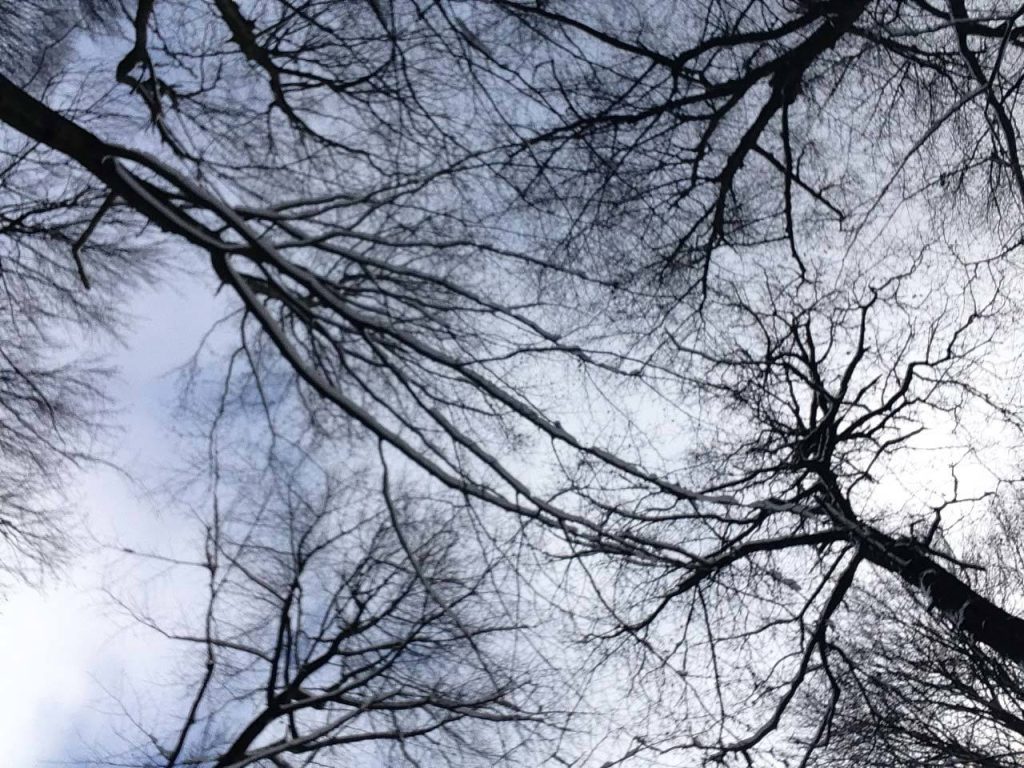
There we opened our hearts and consciously let him go. It was like opening a door we had kept closed.
On one hand, we wanted to keep him here. Hold him close. Never let him go. But we understood that would have been an egocentric action. An action that would have made it difficult for him to move on.
We showed true love from the depths of our hearts by consciously telling him during the ritual:
“We let go. Fully and completely. We wish you all the best on your journey. Go in peace, little friend. We love you—and we let you go.”
The peace that came over us in that moment is one of the most beautiful experiences I’ve ever had. It was as if a heavy burden was lifted from our shoulders. As if something that had been locked finally got to move.
It didn’t mean the pain was gone. But it had changed character. It was no longer desperate and suffocating. It was more like a quiet longing. A gentle sadness.
Step 2: Become aware of all the valuable things the deceased gave to your life.
Here it can be wise to use a journal where you document and preserve all the good. All the memories. All the moments. All the gifts—visible and invisible.
It’s easy to get caught in the loss. In what you’ve lost. In the void that remains. But that’s only half the picture.
The other half is everything you’ve received. Everything the one you love gave to your life. Gifts that are still there, even though the person is gone.
Even though Wotan wasn’t with us for many months, he gave us incredibly much of value. More than I can put into words.
By touching our hearts in a way we had never experienced before, he helped us understand the value of life on a deeper level. Suddenly it became clear what really mattered—and what was just noise.
Everyday problems were put in a completely different perspective. Things I had previously stressed about—delayed flights, technical problems, misunderstandings—suddenly became so small. So unimportant.
After losing a child, you see the world through different eyes. What were once problems become insignificant details in a landscape where meaning, depth, and joy stand at the center.
It feels as if we’ve become much more authentic toward life itself. More present. More grateful. More conscious of what we do with our time.
Wotan also brought me and Maria so much closer together. We’ve always had a good relationship—but this took it to a new level. We met each other in grief. We carried each other. We became stronger together.
Step 3: Process and possibly reorient your life based on what you’ve learned.
All the experience, knowledge, wisdom, strength, insight, and opportunities that have opened up through the grief process—use them. Let them shape who you become going forward.
Loss can either crush us or shape us. It’s a choice we make—perhaps not in the first moment, but eventually.
What we’ve experienced will continue to shape our lives and our relationship. The wisdom, knowledge, and strength we gained after Wotan’s death have changed how we relate to ourselves, our students, clients, and the people around us.
I now have even greater acceptance for people around me using their free will to make the choices they want—even if it means years of suffering and problems for them.
Before, I sometimes took it personally when one of my clients or friends didn’t want to do the simplest, most basic things to get well. I felt like I had failed. That I hadn’t managed to help them.
Today I understand that love also means letting others walk their own path. Accepting the choices they make—even if it results in pain and suffering for them. It’s their journey. Not mine.
This insight came from Wotan. From the loss of him. From the grief over him. It was a gift—wrapped in pain, but still a gift.
Step 4: Forgive yourself, the one you’ve lost, and others involved.
This is so important that it has its own phase—phase 3.
If you’re stuck on one or more of the steps, it can be a good idea to seek help from someone with experience. Sometimes we need a guide through the darkest parts of the journey.
In addition to good conversations, energy medicine methods can be helpful—like flower essences, homeopathy, acupuncture, or various forms of shamanic rituals. The body carries much that words alone cannot reach.
Phase 3: Forgiveness
A healthy and holistic processing of the grief process goes hand in hand with forgiveness. The two cannot be separated. You cannot complete one without the other.
It’s not possible to fully complete the grief process without first forgiving yourself, the one you’ve lost, and possibly others involved.
Forgiveness is an extensive topic—a topic I’ve written and taught much about. That’s why I’ve made it a separate phase. It deserves its own attention.
You’ll find a basic introduction to the topic of forgiveness in the article “Free Yourself Through Forgiveness! Learn the 7 Pillars of True Forgiveness”.

Self-blame was one of the first things that hit us when the aftershocks of the shock had settled. Like a hot wave of shame and regret.
What could we have done better? What if we had gone to the hospital sooner? What if we had acquired more knowledge about problems that can arise during pregnancy? What if we had eaten healthier or taken different supplements?
What if, what if, what if…
The thoughts churned. At night. During the day. All the time. Like a broken record playing the same tracks over and over again.
The feeling of self-blame was overwhelming at first. It didn’t help much that the doctors, midwives, gynecologists—all the experts—said that no matter what we had done, it wouldn’t have changed the outcome.
“There was nothing you could have done,” they said. “It wasn’t your fault.”
But the heart didn’t listen. The heart wanted an explanation. Someone to blame. And when it couldn’t find anyone else, it blamed itself.
Self-blame can only be healed by forgiving yourself and accepting that you did the best you could.
It can be difficult to forgive with willpower alone. To just decide to forgive. Because forgiveness doesn’t just sit in the head—it sits in the heart, in the body, in the soul.
Often much more insight into the topic of forgiveness is needed before you can let go. An understanding of what forgiveness actually is—and what it isn’t.
Forgiveness doesn’t mean that what happened was okay. It doesn’t mean you accept it. It just means you choose to release the burden of carrying it.
It’s also important to forgive the one who has left you. It may sound strange—why would you forgive someone who died? But it’s more common than you think to feel anger, frustration, even rage toward the one who has gone.
“How could you leave me?” “Why did you give up?” “Why did you let me be left here alone?”
These feelings are normal. They’re human. But they also need to be forgiven and released.
In addition, it’s a good idea to forgive everyone else who is involved—family, doctors, and others. Everyone you in any way blame, consciously or unconsciously.
My favorite method for forgiveness is a deep shamanic journey for Forgiveness from the Depths of Your Heart with The 4 Shamanic Heart Guides. It’s not forgiveness with the head—it’s forgiveness with your whole being (see the article “Free Yourself Through Forgiveness! Learn the 7 Pillars of True Forgiveness”).
When we used this method, self-blame released its grip over the following weeks. Not immediately—but gradually. Like ice melting in the spring sun.
Four Years of Emotional Paralysis – And the Way Back
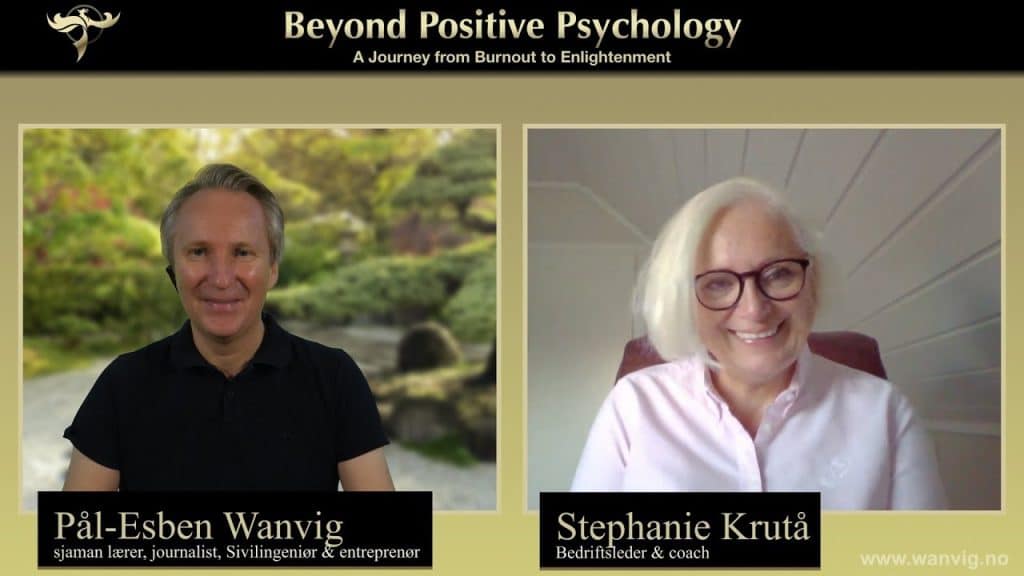
A few years ago, Stephanie endured one of the most unimaginable experiences a person can face: She watched her husband collapse and die right in front of her — only moments after they had reached the summit of a mountain they had climbed together. The shock was overwhelming. In the aftermath, her inner world froze completely. For four long years, she lived emotionally paralyzed — without joy, without drive, unable to move forward.
In this interview, Stephanie speaks with striking honesty about how she became trapped in grief, shock, and trauma — and how she slowly found her way back to life. A turning point came when she learned to release not the memories, but the pain. Through the deep, heart-centered work we did together, she discovered how the transformative force of forgiveness can free a soul bound by sorrow.
What had imprisoned her for years began to dissolve. And within just a few months, she felt her spark return. Her joy, energy, and motivation gradually awakened again — like light breaking through after a long winter.
Stephanie’s story is a powerful reminder of how genuine forgiveness can open a doorway to healing, inner peace, and a renewed life. It shows that even in the darkest moments, the heart holds a pathway back to wholeness. Read the interview here.
How Long Does It Take?
For us, it took about three months to complete the main part of the grief process after Wotan’s death. Three months from the worst shock to a place where we could function again. Where we could smile again. Where we could look forward.
But does this mean we no longer think about him? That we don’t feel longing? That we’re never sad?
Of course not.
Every now and then I feel the longing and sadness of having lost our first child. It comes suddenly—triggered by a song, a picture, the sight of a child on the street who would have been about his age.
As I write these words, the tears come and there’s a lump in my stomach. Even now. Even after all the work we’ve done.
But this is something that comes occasionally—not all the time. They’re waves, not a constant flood. And between the waves, there’s room for life. Room for joy. Room to breathe.
I can talk with others who have just had a baby without crying or becoming paralyzed. Of course I feel something happening inside me. A little sting. A moment of longing. But it no longer takes me down.
When I have a client where the topic involves small children, I feel it. But I now see this as a strength. Not a weakness.
It makes me authentic. It gives my empathy depth. It makes me a better listener, teacher, advisor, friend, and partner. Because I’ve been there. I know how it feels.
You’ve completed the most important part of a healthy grief process when your thoughts, feelings, and actions are no longer dominated by pain, emptiness, and suffering.
That doesn’t mean the pain is completely gone. It means it no longer controls you. That you can live a full life alongside it.
How long does this normally take? I don’t think there’s a set time, since it’s individual. It depends on so many factors—who you lost, how they died, what support you have around you, what tools you use.
But a general rule: If more than six months pass without being able to get a grip on your grief and pain, I recommend seeking professional help. It doesn’t mean there’s something wrong with you. It just means you need a little extra support on the journey.
You’ve completed the most important part of a healthy grief process when your thoughts, feelings, and actions are no longer dominated by pain, emptiness, and suffering.
Pål-Esben Wanvig
Does Anything Good Come from Death?
This is a sensitive topic that can easily be misunderstood.
Telling someone who has just lost someone they love that something good might come out of it can be perceived as cold and heartless. As an insult to the pain they feel.
“How can you say there’s anything good about my child dying?” “How can you talk about opportunities when I can barely get out of bed in the morning?”
I understand. I’ve been there. And I would never say this to someone who is still in the middle of the worst shock.
But my life experience tells me something different than that loss is just loss.
Even the greatest traumas in my life have always had great potential of opportunities waiting for me afterward. Not immediately visible—but there.
In the moment the trauma occurs—and in the following weeks and months—it’s naturally difficult to see this. The shock blocks our ability to see and think clearly. Everything is dark. Everything is pain.
But when the worst storm has settled, it becomes possible to see the landscape that opens up. A new landscape. Different from the old one—but not necessarily worse.
If we want to. If we’re willing to see.
The question is whether we’re willing to open ourselves to the good that can come out of a situation that seems hopeless right then and there.
This is a choice. Perhaps the hardest choice we’ll ever make. To choose to look for the light in the darkness. To choose to search for meaning in the meaningless.

One of my core philosophies that I live my life by is that there’s a solution to pretty much all problems. And the bigger the problem, the greater the opportunities that await us—if we’re willing to accept them.
It’s a conscious choice we make. No one forces us to find meaning. No one demands that we grow. But the opportunity is there.
The three most extensive traumas I’ve experienced in my life so far have given me more strength, wisdom, and happiness afterward than anything else. More than any book I’ve read. More than any course I’ve taken. More than any teacher I’ve had.
The first trauma was losing my father. Even though the first years afterward were filled with emptiness and pain, he showed me the path to who I am today. If he hadn’t died—in that way, at that time—I might still be sitting in an office in front of a computer.
The second trauma was the burnout that nearly took my life in 2003. It would completely change my life and lay the foundation for the fantastic life I get to live today. Without that burnout, I would never have found shamanism. Never started my school. Never helped the thousands of people I’ve helped since.
The third trauma was losing my son Wotan. Even though, at the time of writing, it has only been four months since he left us, I have an extreme gratitude for the time he was with us—and for the opportunities he opened up in our lives.
He taught us about love in a way we had never understood before. He taught us what really matters. He brought Maria and me closer together than we had ever been.
Writing these words to you has been a healing process in itself for me. Putting words to what has happened. Sharing it with you. Knowing that perhaps it will help someone else on their journey.
I hope my experience will be useful to you and yours.
And I hope you know that no matter how dark it feels right now, there is a way out. A way forward. A way home.
You don’t have to walk it alone.