
Burnout
The way out of burnout
You are not weak. You are tired. There is a difference.
I hit the wall myself in 2003 and have helped people out of burnout since 2004. Here you will find an explanation of what is happening to you, the system I use, and a first step you can take today.
The signs
Do you recognize yourself?
Burnout often creeps up on you, almost unnoticed, over months or years. Spotting the early signs can decide whether it ends in total collapse. Do you recognize several of these?
- Mental exhaustion and loss of energy.
- Emotional distance from the people around you.
- Reduced working capacity and performance.
- Headaches, muscle tension, pressure in the chest, palpitations, nausea or dizziness.
- Changed sleep, either more or less than before.
- Changed appetite and problems with the stomach and gut.
- More frequent infections and a weakened immune system.
- Your tasks feel foreign, and the joy of work is gone.
- A short fuse and increased irritability.
- Exhaustion that takes your free time too.
Then it is time to stop. It is not weakness. It is your body sounding the alarm.
Pål-Esben Wanvig
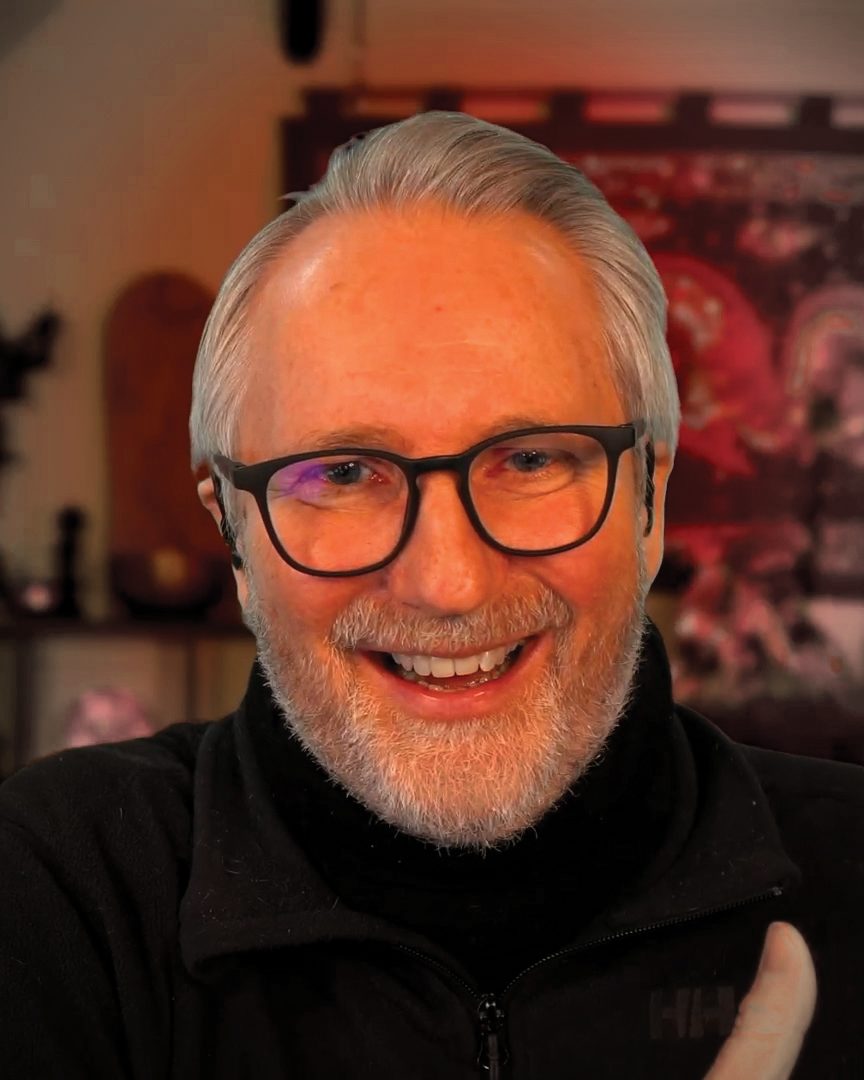
I have walked this way myself
On December 23, 2003, my body collapsed. Double pneumonia, a life-threatening fever and a fog in my head so dense that I could barely remember the day before. The doctors found nothing wrong, called it chronic fatigue and put me on sick leave indefinitely. When vocational rehabilitation was the next suggestion, I understood that I had to take matters into my own hands.
In the years that followed, I used everything I had to find out what was actually wrong, and what actually helped: functional medicine, neuropsychology, behavioral psychology, traditional Chinese medicine, shamanism and much more. It became more than 35,000 hours of education, practice and experience. Since 2004 I have guided many clients and students out of exhaustion and burnout. It is an area close to my heart, because I know what it is like to stand in the middle of it and feel powerless.
The philosophy
Three things I have learned
Burnout is not a character flaw.
It is a natural consequence of giving more than you have, over time. Your body has done exactly what it should: it has sounded the alarm. Listen to it.
The causes must be removed, not just the symptoms.
You can rest for months, but if you go back to the same life that made you ill, you will get ill again. For more than half of the people I have guided, the main cause lies outside work. Real recovery requires real change.
You do not have to do this alone.
Your doctor, your psychologist and your guide are your supporters. But you are the most important person on the team, and the hero of your own story.
“Burnout is nature’s way of telling you that the soul is in despair. The soul longs to experience this world as a human being, not as a machine.”
Pål-Esben Wanvig
The system
Four causes, four phases
When I was at the bottom myself, I got the same advice from everyone: take it easy. The advice did not work, because my causes were complex and no one had found them. I did not just need rest. I needed a plan. The system below has grown out of more than twenty years with clients, and it always begins with finding the causes.
Four categories of causes
Physiological causes
Sleep, circadian rhythm, nutrition, inflammation, hormones and deficiencies the body does not report until it collapses. Often undetected by your doctor.
Psychological causes
Low mood, unresolved trauma, dependence on work and achievement, and what you have not yet forgiven.
Harmful behavior
Always being available, not being able to say no, perfectionism, the screen that never lets go, and a life without breaks.
Lack of meaning and hope
When life has become a machine running from task to task, the spark of life goes out. Hope and a positive outlook on life are not decoration, but medicine.
Four phases out
- Find the causesThorough mapping with the self-analysis, the twelve stages and measurement of chronic stress, and medical examinations where needed. After the first conversation we have a clear understanding of the core of the problem.
- Remove the causesA systematic action plan that removes the sources, category by category, in cooperation with your doctor and psychologist when needed. A few weeks to several months.
- Repair the damage and rebuildBody and mind get time to heal. Several months, often in parallel with phase 2.
- Prevent it from happening againNew habits and patterns that prevent relapse, and lessons you carry with you for the rest of your life.
The way through all four phases usually takes between three and twelve months before you are fully back at work.
The vast majority of those who complete all the phases experience very few relapses.
Begin today
Four things you can do today
These four come first in the action plan in the book, because they give the fastest noticeable improvement.
1
Cut social media and news.
For at least thirty days, preferably ninety. Your brain is worn out by constant stimuli. Most people notice a difference after a couple of weeks.
2
Go out into nature.
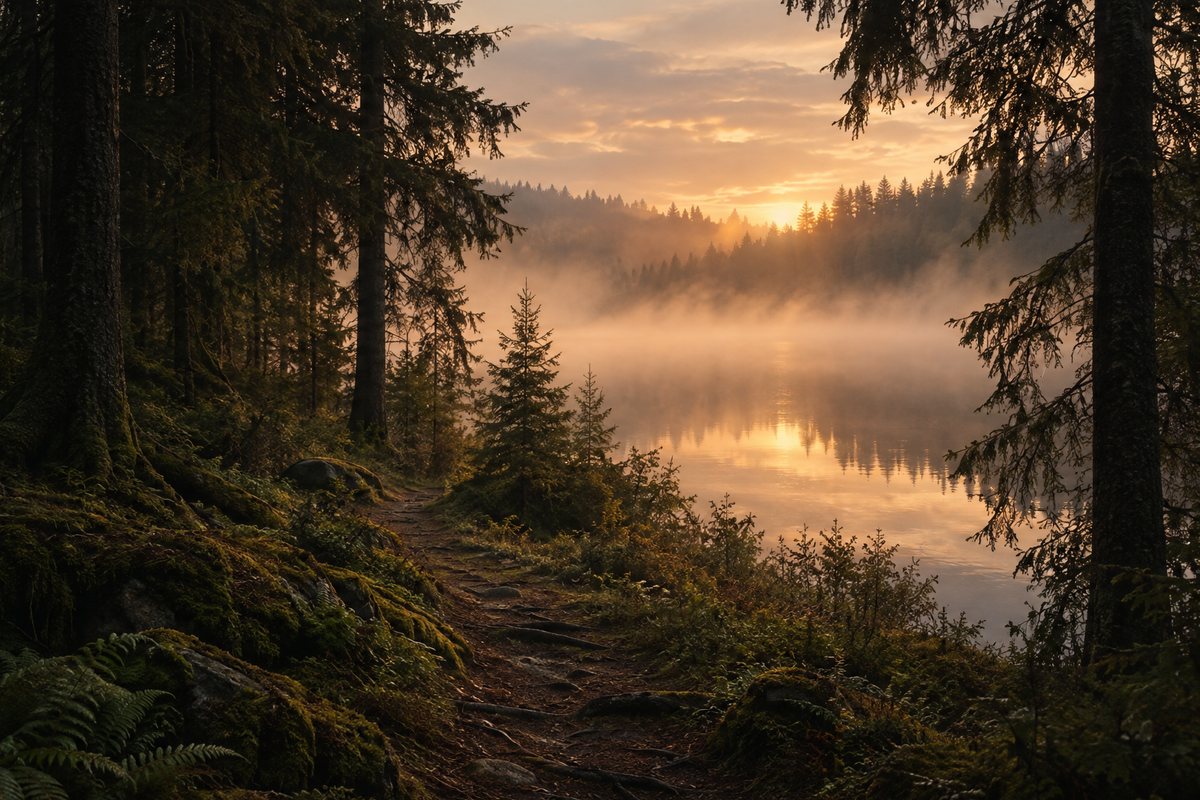
Thirty minutes a day, without your phone, without music, without an agenda. The forest lowers the stress hormones, improves sleep and strengthens the immune system.
3
Set healthy boundaries.
The always-available mentality drains you day by day. Learn to say no without guilt. It is not selfishness. It is taking care of yourself.
4
Take sleep seriously.
Nothing can compensate for chronic lack of sleep. Good sleep is the foundation everything else is built on.
The stories
They walked this way before you
These are not just success stories. They are living proof that there is a way out, and that you have more strength in you than you may think right now.
Camilla
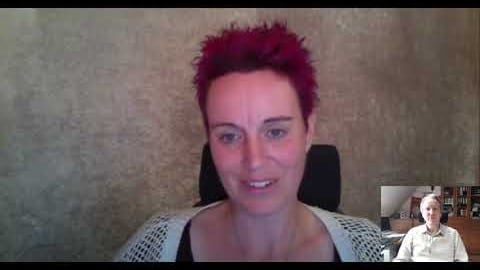
Eight years bounced between doctors and psychologists, unable to work. After a few months with the system she was back at work. Ten years later she has still not hit the wall again.
Mari A. Nilsen
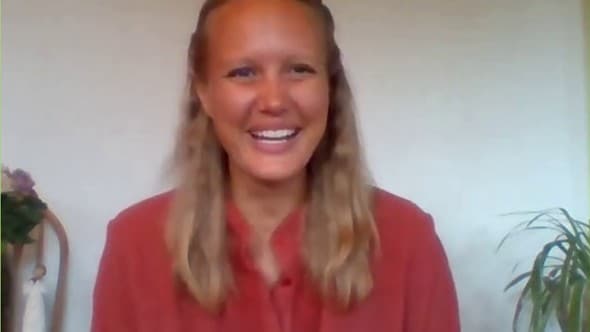
Collapsed in her early twenties with ME, fibromyalgia and chronic fatigue. She talks about the phases, the setbacks and life today, with energy and meaning.
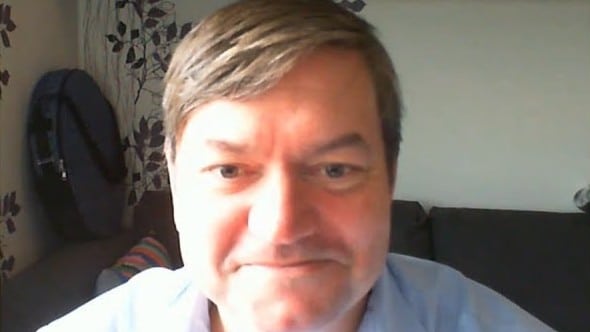
Atle Romstad
A finance manager who took his work home and was almost always in work mode, until he collapsed. On the way out of the black hole, and what worked.
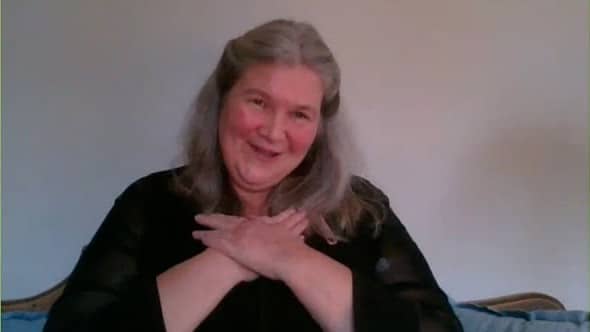
Cathrine Emilie
Found her way out of a major life crisis with deep depression, social anxiety and exhaustion within a few months. Daily walks in the forest were an important part of getting well.
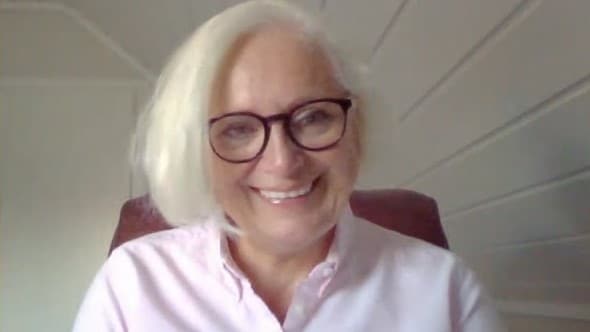
Stephanie
Lost her husband before her eyes on a mountain hike, and for four years she lived without living. After a few months of working with forgiveness, the spark of life returned.
“The best thing I have ever done was to study with Pål-Esben Wanvig. He helped me find my way out of my burnout. Today I work and live very well without these challenges. I have changed my mindset and gained good techniques that I use every day, so that I can avoid hitting the wall again.”
Camilla Holm Osberg
From the book The Way Out of Burnout · Translated from Norwegian
The video interviews are in Norwegian. You will find them on the Norwegian page.
Your next step
How to begin
You can walk the way on your own with the book and the workbook. Those who get help to find the causes usually come back faster and do not have to search alone.
Personal life guidance
We begin with a first conversation
There we map what has led you here: body, psyche, behavior and meaning. Then we make a plan adapted to how you are doing, in cooperation with your doctor and, if needed, a psychologist. You can book single sessions or a longer series.
Not sure whether it is right for you? Get in touch, and we will find out together.
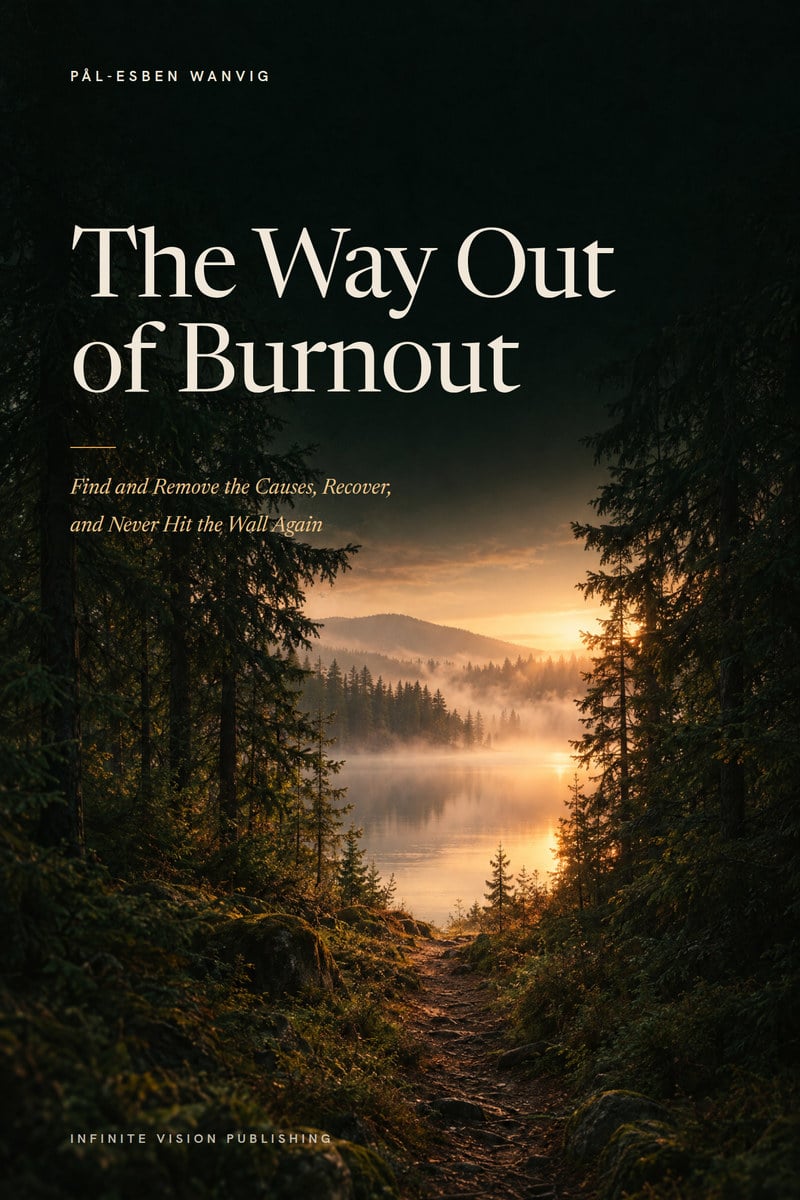
The Way Out of Burnout
This is the map I should have had in 2003. The book gathers everything I have learned over more than twenty years: how you map the causes, the four phases out, what happens in the body and the mind, and how you prevent it from happening again. A workbook with exercises and reflection questions belongs to the book. Coming in spring 2027, in Norwegian and in English.
Infinite Vision Publishing, 2027.
Before you begin
Frequently asked questions
Your first step
Begin today. One small step. Then another tomorrow.
You are not weak. You are tired. Tired bodies can be rebuilt, and tired minds can find peace.